.:[Double Click To][Close]:.
Showing posts with label tanzania. Show all posts

Tuesday, March 30, 2010

Tanzania: Godlisten's Story

Meet Godlisten S. Mkonyi

"After I reached the top (Uhuru Peak) of Kilimanjaro for the first time, it gave me confidence that 'impossible' is just an option.  With that I am always trying hard to help others make their wish." -Godi

Godlisten S. Mkonyi (Godi) is an experienced mountain guide who has been working with the Zara Adventure and Safaris Company for the last 13 years.  He went through 5 years of training before he earned the title of mountain guide.

Godi, 35, was born in Marangu villiage, Tanzania and is part of the Chagga Tribe.  He is married with 2 children.

Godi has made it possible for many people to successfully reach the top of Mt Kilimanjaro.

As a guide, Godi plans expeditions and instructional sessions that are appropriate for the individual skill level and ability of each client and makes sure all necessary equipment and supplies are gathered.  As he leads the group on the expedition he also provides information on local vegetation, wildlife and natural history and administers first aid services if they are needed.

Imagine seeing this view as part of your job!!

The life of a mountain guide on Kilimanjaro is a difficult one.  They work for a low base wage and rely on tips for an important portion of their income.  The mental and physical strain on their bodies is incredible and they gain a connection with the mountain that is like none other.  There is a deep care and concern for protecting and maintaining the mountain's delicate environmental balance.

 If "climbing Kili" is on your list, be sure to choose the right person to guide you.  "I assure all that there’s no regret after climbing Kilimanjaro as its a magic and beautiful place to be and always, Zara Adventure and Safaris and I will assure your safety. " -Godi

Wednesday, March 24, 2010

Tanzania: Where to Stay

Accommodations in Tanzania range from luxury safari lodges and tented camps to 10 dollar-a-night local hotels. Tanzania operates a star rating system, although it does fall below that of what you would find in the U.S or Europe. Generally speaking, assume that a 4-5 star rated hotel will be of good standard. For travelers on a budget, who may be considering a hotel on the lower end of the scale, you are advised to check reviews and blogs before making any commitment.


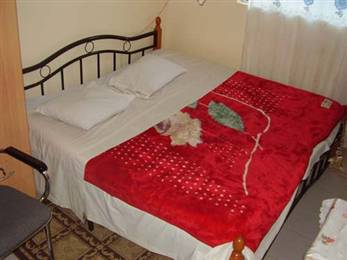
For the busy traveler, Happy Family Cottage Hostel is conveniently located at the base of Mt. Kilimanjaro. Rooms are comfortable, clean and won’t cost you a pretty penny.

Located just less of an hour from Dar es Saalam Airport, The Amani Beach hotel is the ideal break for after a safari to relax and enjoy the endless beaches. The rooms are spacious and big enough to fit three beds, so bring the kids too and make it a family adventure.

B & B’s (bed and breakfasts) are sometimes the cheapest and coziest way to go. Rivertrees Inn in Arusha, sits in 10 acres of natural gardens and farmland. Enjoy the serenity, shady trees, bird watching, and beautiful views of Kilimanjaro and Mt. Meru.

Tuesday, March 23, 2010

Tanzania: currency

The Tanzanian unit of currency is the Tanzanian shilling (tsh’s) which is divided into 100 cents. Bills range from 1 to 10,000 shillings. Although you can bring any amount of foreign currency in to Tanzania, it is illegal to import or export Tanzanian currencies. There are many websites that offer a currency conversion engine and you can also check the Wall Street Journal for currency rates.

Changing money in Tanzania is not a problem in most populated areas. Hotels usually have a worse rate than banks, so you should go to the bank. You may have to wait in line for a bit. Banks in Tanzania are just like banks in the US. Main branches include NBC and Standard Chartered.

ATMs are in most all banks with 24-hour access and give the same exchange rate as the bank. They may require a Visa card. Inquire if there is any additional fee for withdrawing using a Visa debit card.

Major credits cards are accepted such as Mastercard and Visa, however American Express, Discover and Diner Club are often not.

Tips for hotels and lodge personnel are usually included in tour price, but you should still be prepared to tip the staff in smaller camps on Safaris, so carry some cash!!

Monday, March 22, 2010

Tanzania: Languages

Tanzania has more than 126 ethnic groups and each ethnic group has its own language. “Talk” about a lot of lingo! Although no language is official, Swahili is the national language. English is Tanzania's commercial language, as well as the main teaching language for all scientific subjects in secondary schools and higher education.

There are several Swahili dialects, but standard spoken Swahili is based on the language of Zanzibar town. Written Swahili is based on the language spoken on the east African coast and Arabic is widely spoken in the coastal areas, particularly in Zanzibar.

Many East Africans speak some English or French, so knowing a few words of Swahili will really help you out in the more rural areas and along the coast. Since Swahili is a second language to most East Africans, they'll understand a little broken Swahili, and they'll certainly appreciate your efforts!

Greetings are important in East Africa, so try to always begin a conversation with "Hello, how are you?"

A few words and phrases that will get you started:

Hello: Jambo / hujambo / Salama
How are you: Habari gani
Goodbye: Kwaheri
I understand: Naelewa
I do not understand: Sielewi
Please write it down for me: Waweza kuiandika?
How much is this?: Hii ni bei gani?
No worries: Hakuna Matata…..and no it’s not something Walt Disney invented for The Lion King. It really does mean “No worries” in Swahili and people there really use it!!

Friday, March 19, 2010

Tanzania: Etiquette

The Tanzanians are considered to be a very welcoming, and although they are a very informal people, there are rules for most interactions. So let’s get straight to the point! Here is what you really need to know:

Greetings are of great importance, so make sure to inquire about how one is doing before jumping into conversation!

When visiting, whether it is for a dinner or a mid afternoon chat with a pal, it’s considered rude to show up on time. So go ahead and show up fashionably late.There are several rules when it comes to chowing down, but here are the most vital:

  • Muslims should not be offered pork or ham and many do not drink alcohol!
  • Meals are served from a communal bowl and utensils may not be available for use. (I can hear Mom now “Use your fork!!”)
  • Tanzanians only use the right hand when eating without utensils, so I'd advise you do the same!

Now on to what you DON’T want to do. Here are some Taboo’s ( Hey! that rhymed)

  • It is usually unacceptable for women to walk around in shorts, or tank tops, and in some cases pants. Women are expected to dress in a modest way; skirts below the knees and shirts with sleeves. In other words, just make sure you are fully covered, it will help protect against ticks as well.
  • Do not touch anything with your left hand, such as produce at the market. Some people may not be as strict about this but just assume that most are.
  • It is considered rude to let the bottom of one’s foot or shoe point at someone. Feet shouldn’t be propped up on chairs or tables, so leave the lazyboy tendencies at home.
  • Lastly, always ask permission before taking a photograph. There are many taboos in Africa about cameras; a lot of people do not like their photo to be taken!

Thursday, March 18, 2010

Tanzania: Sukuma Dance

The Sukuma people live in an area called Usukuma which is located to the west and south of Lake Victoria, the second largest lake in the world. The area is only a few hundred miles south of the equator where there is a year round temperature between 60-100 degrees Fahrenheit.

Dancing is a vital part of Sukuma life. The Sukuma are famous throughout Tanzania for their innovative dancing styles. Dancers continue to perform and compete in annual competitions, creating new costumes and using new and old dances just as their ancestors did over a hundred years ago.

The competitive dance season begins in Usukuma in June when people have free time from their farm work and can celebrate their new supply of food for the year. The season can last through August or until people resume their farming activities.

Tuesday, March 16, 2010

Tanzania: Staying Connected

A prepaid Tanzania SIM card with a GSM international cell phone is the most convenient and economic calling solution while you travel Tanzania. The Tanzania SIM card includes free incoming calls with service across Tanzania. The most convenient thing about this SIM card is you don’t need a contract to use it.

If you are planning to use a Tanzanian SIM card with your U.S. cell phone, keep in mind that the Tanzanian SIM card will require a SIM-unlocked compatible international cell phone. You can always rent or purchase a cell phone from a Tanzanian local store if you don’t have your own international cell phone.

To have your family and friends call you from the United States to your Tanzania cell phone, they will need to dial 011 followed by Tanzania country code 255 then your Tanzania cell phone number, exclude the leading 0 (zero). To call the United States from your Tanzania cell phone simply dial the "+" key (on your cell phone) or "00" followed by the U.S. country code “1”, area code, and phone number.

Monday, March 15, 2010

Tanzania: What to pack

Tanzania is a diverse destination in terms of landscapes, containing arid savannas, snow-capped mountains and sandy beaches. What to pack in your suitcase for Tanzania depends on whether you plan on a big game safari, a seaside getaway, or a climb on Mt. Kilimanjaro slopes. It is important to consider the specific activities you plan to do.

Here are several tips on packing for Tanzania trip:

• Pack a strong backpack for multi-day treks and a durable duffel bag for safaris since hard suitcases are unsuitable for transporting in safari jeeps. If neither is in your plans, obtain a sturdy suitcase that meets your needs in terms of size. If your bag does not come with padlock protection, buy a lock separately as luggage theft can be a problem in Tanzania.

• Carry a small handbag to store necessary travel documents and money. A money belt is also recommended for traveling anywhere in Africa. Unless you have checked your belongings into a reputable hotel, you will have to keep this safely on your person while traveling in Tanzania.

• Pack light loose cotton clothes, sunglasses, sunscreen, a swimming suit and a good hat. If you will be climbing Mt. Kilimanjaro, pack thermal underwear, a warm sweater and jacket, thick socks and durable hiking boots.

• Seal your toiletries within a small plastic bag to be stored either in your suitcase or handbag, depending on which items you wish to be easily accessible.

• Pack your camera gear in a protective case deep within your suitcase. For photographing wildlife in Tanzania, a 300mm telephoto lens is recommended.

Please note, to avoid extra carrying charges on the trip to Tanzania, ensure that the weight of your bag remains under 25 lbs.

Friday, March 12, 2010

Tanzania: Food!

It is important to keep in your mind that meat and milk can be difficult for western taste and diets, so be sure that all meat is cooked through. At hotels, you won't have any trouble, but if you venture into small villages, make sure that all water is filtered or boiled before drinking and all fruits and vegetables are washed and peeled before eating.

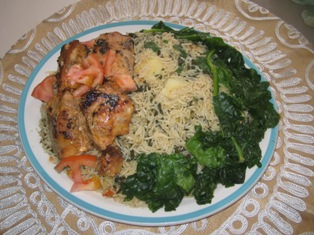
To introduce Tanzanians foods, let’s start with local dishes called Mtori - cooked beef and bananas - and Mchicha, a vegetable stew with meat or fish in it.

Mtori


Mchicha


If there is anything that can be called Tanzania's national dish, then Ugali would most likely win out. A polenta-style dish made with corn flour, it accompanies cooked meat and a variety of stews, and it's eaten with your hands. Recipes vary from village to village, and everyone has their own way of making it. Many foreigners find it bland and unappealing, but it's worth a try, and some upscale establishments serve it.

Ugali

Southern Tanzania offers a great variety of restaurants. Most eateries near Hindu temples (particularly in Dar) are a good bet. Just watch where the local Tanzanians go to eat and you won't be disappointed. Northern Tanzania boasts a number of great coffee plantations. If you want to try the coffee, Msumbi Coffee Shop, Sea Cliff Village, would be a great place to visit.

Thursday, March 11, 2010

Top Adventures to Enjoy in Tanzania

From climbing Mount Kilimanjaro to a Lodge Safari in the Ngorongoro Crater, Serengeti and Lake Manyara to relaxing on the white sandy Indian Ocean beaches of Zanzibar, it's unlikely that you'll go home disappointed after you've experienced a visit with all of Tanzania's diverse pleasures.

Mount Kilimanjaro is Africa's highest peak and the highest alone standing mountain in the world. Hike the mountain through Machame Route, one of the most beautiful trails, and enjoy the wonderful sunrise from the top of the mountain.

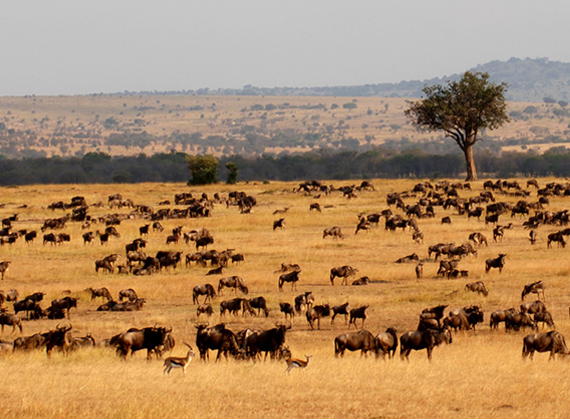
Then go for safari in Ngorongoro Crater, which is the place of more than 20,000 animals. You will see elephants, buffalos, cheetahs, lions, hyenas, hippos, wildebeest, Africas last remaining black rhino, and many more of Africa's most spectacular animals.

Make sure you don’t miss the world's last great wildlife park, Serengeti National Park, to see various types of vegetation, including grassy plains, acacia-dotted savannahs, wooded hills and mountains.  They are the backdrop for an extraordinary concentration of animals.


Finally, visit the beautiful Zanzibar that combines ancient ruins and noble Arabic houses with miles of white, palm-fringed beaches. The lush island landscapes open to reveal clear blue waters, idyllic off-shore islands, excellent snorkeling and diving reefs and fantastic deep sea fishing and other water sport venues.

Tuesday, March 9, 2010

Tanzania: A great overview

This is probably one of the best videos about Tanzania that I have seen yet.  It explores the beautiful landscape and culture of this "wild" African nation.

Be sure not to miss the Maasai people (6:05)!  

Monday, March 8, 2010

Tanzania: Stuart's Holiday

We were there for a week and the time flew by. Personally I wasn't that excited about going to Tanzania as I'm not overly interested in big cats etc, or should I say I wasn't, but the holiday was so much better than I had ever anticipated it would be. It was so strange seeing the wildlife up close to start with, but by the end of the week it seemed to be the norm seeing either elephants or a herd of zebras right outside of the bedroom window in the lodge!

Upon arrival at Kilimanjaro airport (after a connection at Nairobi), we transferred to Arusha for an overnight stay. We then drove on to Lake Manyara for a one night stay. Following this we went to the Serengeti for two nights. We then finished off with a further two nights stay at Ngorongoro crater, which was about 2,000 meters above sea level, and it was a little strange at first adjusting to the altitude.


During our visit we were lucky enough to see all of the 'Big 5' animals, being lions, leopards, elephants, buffalo and rhino (although the rhino was soo far away, it just looked like a mound of earth! However, our guide, Seleman said it was a rhino so who was I to argue!)

The main currency that was used within Tanzania tended to be US dollars, although they do have their own currency which is the Tanzanian shilling. However, you can only exchange this whilst in the country, and no shillings can be taken out of the country. Therefore, personally I would advise just to take US dollars.

During our stay we were advised not to go outside of the boundaries of the Lodges we stayed in unless occumpanied by a member of staff, due to both the local people and animals which you may come across. This was especially the case in Arusha, which is a large city in Tanzania, and tourists would stand out. However, the people we came across at the lodges were most helpful and friendly (providing you gave them a tip!) and upon arrival we were assigned to a guide who stayed with us for the duration. They would drive us around the national parks we visited, and our driver had a reputation of driving rather quickly!

A Special thanks goes out to Stuart Jones of Trefonen, England for sharing with us his Tanzanian experience. If you have more questions for Stu about his trip feel free to post them in the comments section.

Friday, March 5, 2010

Tanzania: documents needed for entry

Citizens of the UK, the US, Canada, Australia, and most countries in the EU, need a tourist visa to enter Tanzania. Application details and forms can be found on Tanzanian Embassy web sites. Tanzanian embassies issue single ($50) and double ($100) entry visas (handy if you're planning to cross over to Kenya or Malawi for a few days). They do not issue visas for more than two entries.

Tanzanian tourist visas are valid for 6 months from the date of issue. So while planning ahead for visas is a good thing, make sure the visa is still valid for the length of time you plan to travel in Tanzania.

You can obtain a visa at all airports in Tanzania as well as at the border crossings, but it is advised to get a visa beforehand. In order to get a visa you have to have proof that you plan to leave Tanzania within 3 months of your arrival. So, here are some documents you might want to prepare when obtaining the visa:

• U.S. Passport (must be valid at least 6 months beyond arrival date)
• 1 Visa Application Form, fully completed and signed
• 2 Passport-type photographs
• Copy of recent Bank Statement
• Vaccinations - International Certificate of Vaccination for Yellow Fever recommended

As with all visa matters, contact your local Tanzanian Embassy for the latest information.

Make sure you make an appointment with Passport Health to talk to a travel medicine specialist about the proper vaccinations to keep you healthy on your trip and get your ICV booklet.

Tuesday, March 2, 2010

Country of the Month: Tanzania!

Our new featured country for the month of March is Tanzania.  Located on the eastern coast of Africa, right below Kenya.


Tanzania is most well known for its fantastic national parks and wildlife reserves and Mount Kilimanjaro, Africa's highest peak. 

Stay tuned this month for some exciting stories of safaris, very steep climbs and more that make this a country you will definitely want to add to your travel destination list.